Conservatories & Orangeries
A conservatory is a glazed extension built primarily of glass and slim frames, designed to add light-filled living space at lower cost than a brick extension. An orangery is a hybrid form with brick or rendered piers and a glazed roof lantern, offering more thermal mass and a more solid feel. Absolute Window Co designs and builds Victorian, Edwardian, lean-to and orangery styles across Greater Manchester, with glass, polycarbonate and Supalite tiled roofing options.
Your Dream Living Space
A conservatory or orangery is one of the most rewarding home improvements you can make — adding space, light and significant value to your property. We design and build every conservatory from scratch to suit your home and lifestyle.
- Fully bespoke — designed around your home and garden
- Solid or glazed roof options available
- Thermally efficient — usable all year round
- Planning and Building Regs support included
- CERTASS certified installation
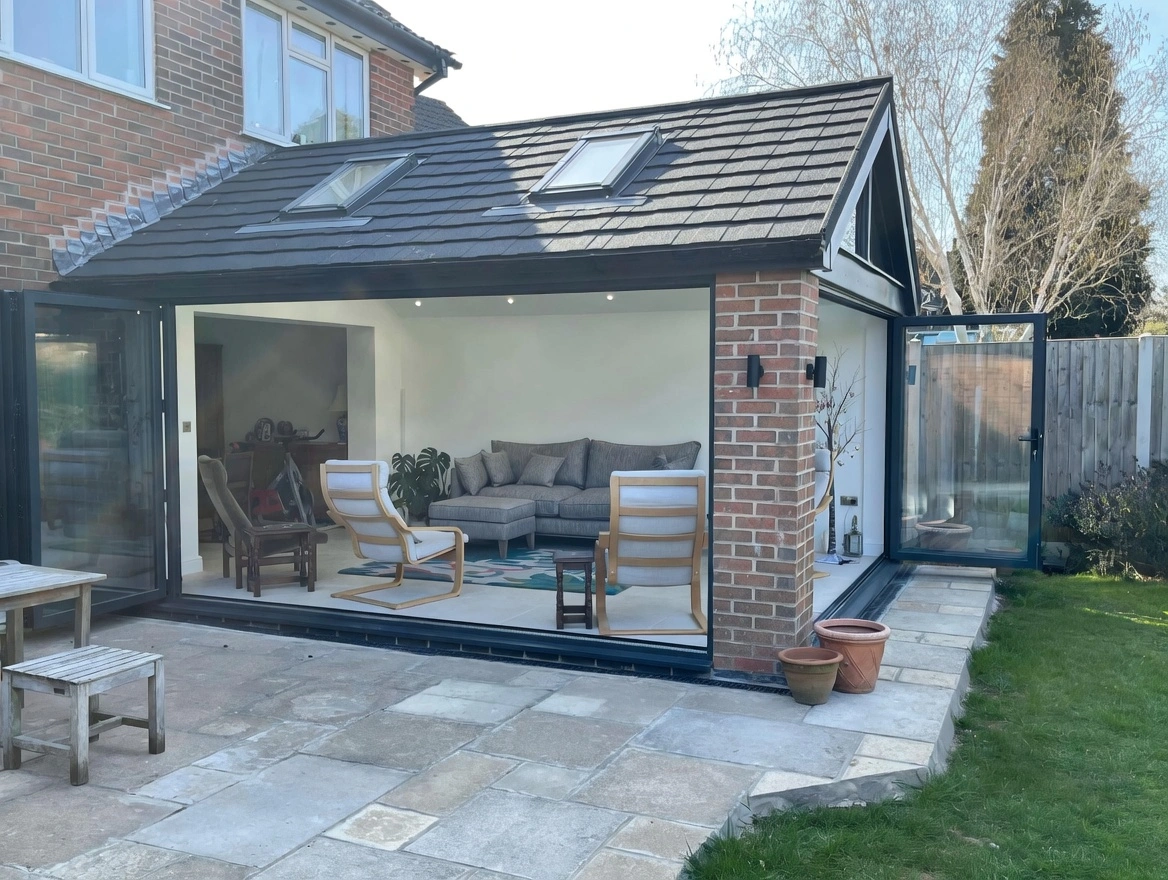
Conservatory Styles
We offer a range of classic and contemporary conservatory designs to suit every property type.
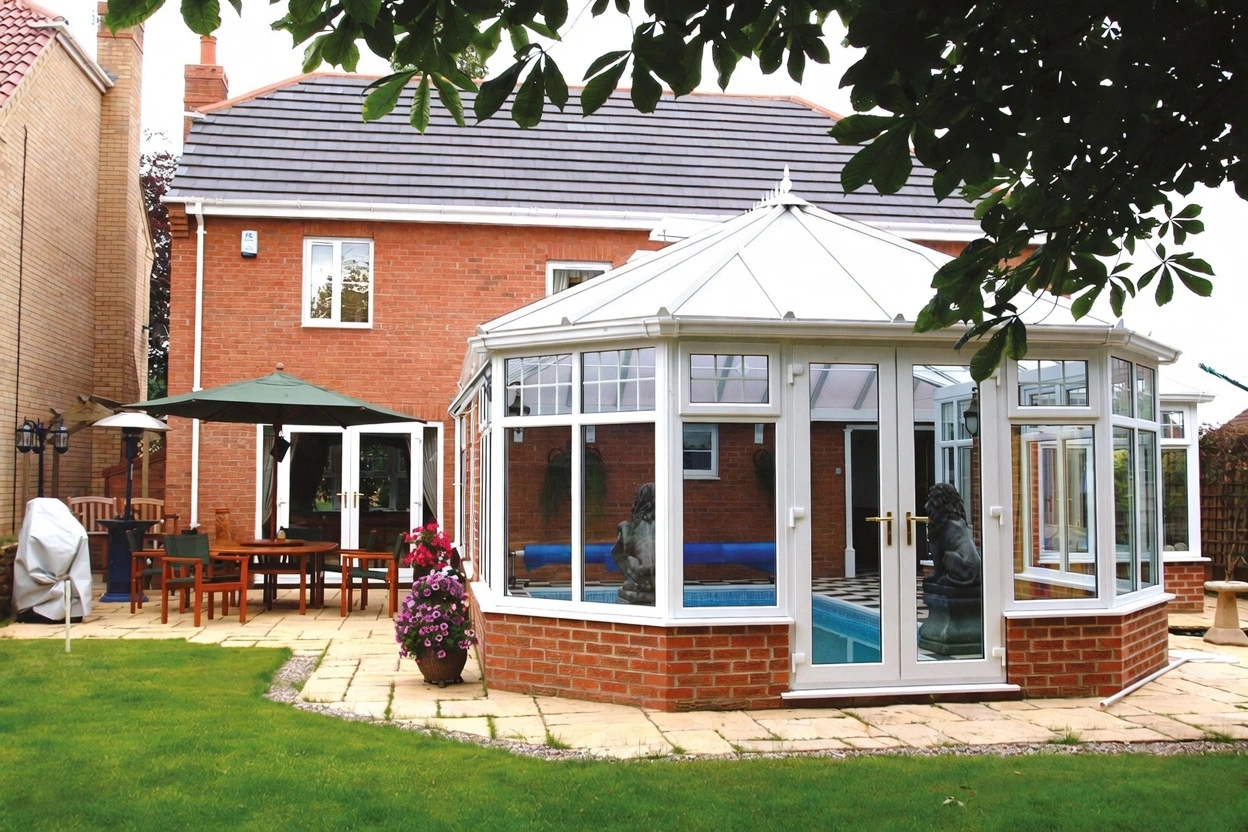
Victorian
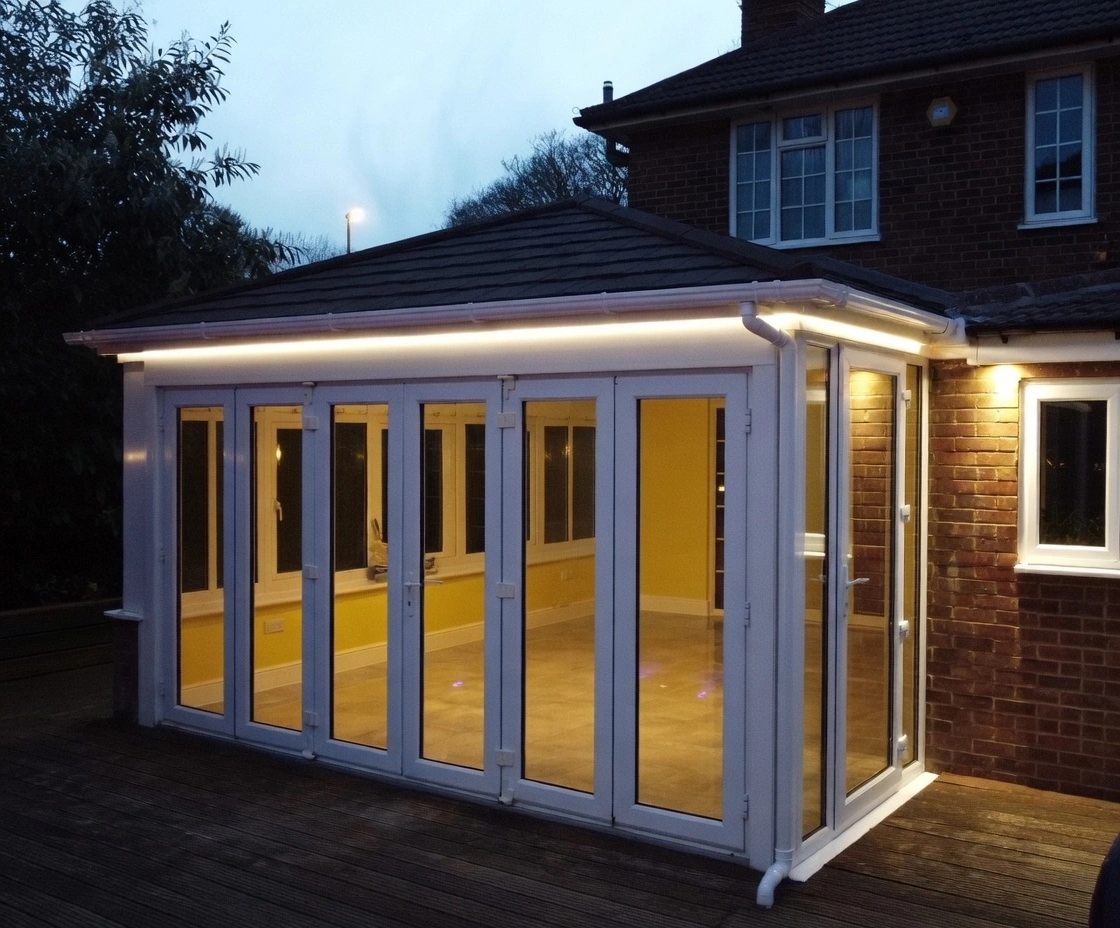
Edwardian
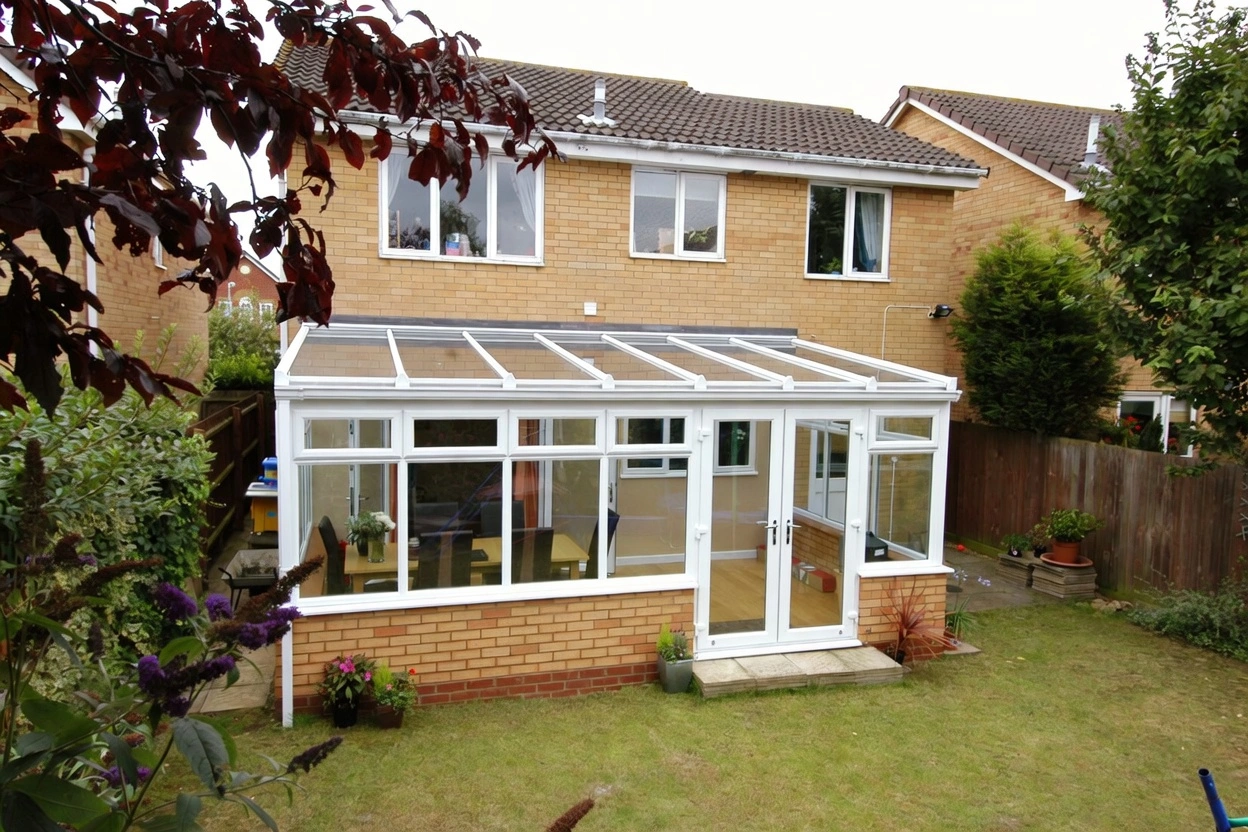
Lean-To
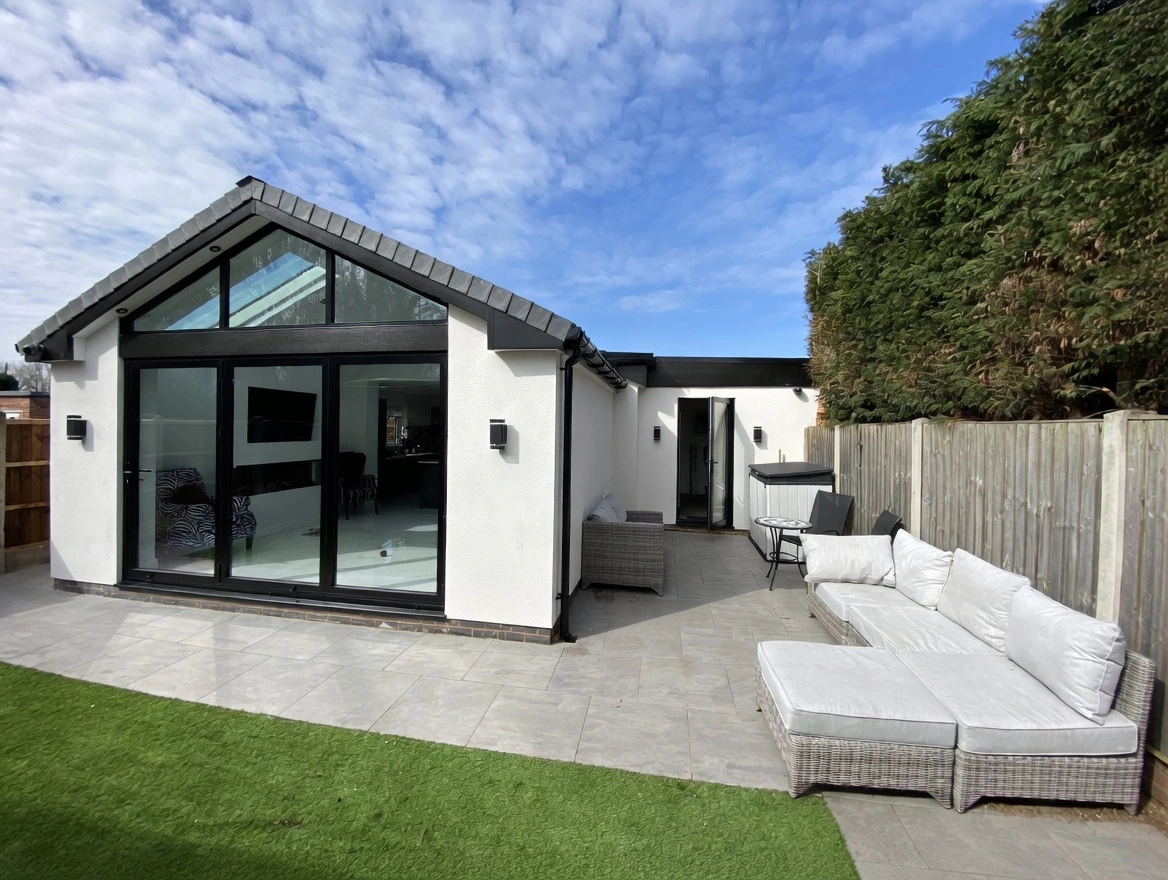
Orangery
Why Choose Our Conservatories?
All-Year Comfort
Our thermally efficient roofing systems — including Eurocell glazed roofs and Supalite solid tiled roofs — and A-rated glazing ensure your conservatory is comfortable in winter and summer alike.
Made to Measure
Every conservatory is designed from scratch to match your home's dimensions, style and your personal requirements.
Adds Property Value
A well-built conservatory typically adds 5–10% to your property's market value while significantly increasing usable living space.
Areas We Build Conservatories
We design and build bespoke conservatories and orangeries across Greater Manchester, from our manufacturing base in Worsley.
You May Also Be Interested In
Frequently Asked Questions
Answers to the questions we get asked most about conservatories and orangeries in Greater Manchester.
Do I need planning permission for a conservatory?
Most conservatories fall under permitted development — broadly, single-storey, not forward of the front elevation, and within the height and footprint limits set out in Class A of the General Permitted Development Order. Conservation areas, listed buildings and properties under Article 4 directions have tighter rules, and larger builds may need a Lawful Development Certificate or a full planning application. We handle the planning check and any applications on your behalf as part of the build.
When do conservatories need Building Regulations approval?
A conservatory is usually exempt from Building Regulations when it is at ground level, under 30m² of floor area, separated from the main house by an external-quality door, independently heated and built with safety glazing in critical locations. Step outside those rules — for example a solid tiled roof, open-plan to the kitchen, or over 30m² — and the structure is treated as a home extension and must comply. We design within the exemption where possible and handle the Building Control route when it doesn't apply.
How long does it take to build a conservatory?
The on-site build is typically 3–7 weeks, depending on the size, style and roof choice. Design, survey, manufacture and any planning or Building Regs approvals typically add 8–12 weeks ahead of site work. We give you a full programme at contract stage so you know exactly when each phase will happen.
Solid roof, glass roof or polycarbonate — which is best?
Glass roofs give the brightest, most traditional conservatory feel and use self-cleaning solar-control glass to manage heat and glare. Solid (tiled) roofs such as Supalite are best for year-round use as a true extension, with proper insulation and a flush plastered ceiling inside. Polycarbonate is the most economical option, but thermal performance is poorer than modern glass or tiled systems, so we only recommend it where budget is the primary driver.
Will a conservatory be usable all year round?
With A-rated glass, thermally broken frames and an insulated or tiled roof, a modern conservatory is comfortable through a typical Manchester summer and winter — far removed from the overheating and condensation problems of older polycarbonate rooms. Heating can come from an extended central-heating run, an independent radiator, underfloor loop or air-conditioning unit, sized to your orientation and usage. We'll spec the glazing and heating together so the room performs as you expect from day one.
What foundations does a conservatory need?
Standard residential conservatories sit on trench-fill concrete foundations, typically 900–1000mm deep, with a reinforced or insulated floor slab above — final depth is confirmed on site once soft spots, drains and tree roots are checked. Properties on made-up ground, near mature trees or on clay soils may need deeper or piled foundations, and former mining areas sometimes need a Coal Authority check. Our surveyor confirms the foundation specification for your site before the base works are quoted.
What's the difference between a conservatory, an orangery and a brick extension?
A conservatory is built primarily of glass and slim PVC or aluminium frames, with a glazed or lightweight tiled roof, and is treated as a separate seasonal-use room under permitted development rules. An orangery is a hybrid form: brick or rendered piers around the perimeter, large glazed panels between, and typically a glazed roof lantern set into a flat insulated surround — giving more thermal mass and a more solid, year-round-room feel while keeping the light. A brick extension is a fully insulated, structurally integrated room treated identically to the rest of the house under Building Regulations, with no glass-roof requirement and no permitted-development conservatory exemption. Cost ranges roughly from conservatory < orangery < extension, and planning rules tighten in the same order.
Can a conservatory be built on the side of a house, not just the rear?
Yes — side-return conservatories are a popular choice for Manchester terraced and semi-detached homes where the rear has limited width but a side passage offers usable ground. Lean-to and side-extension conservatory designs are well-suited to side returns, typically running parallel to the kitchen and converting an underused alley into living space. Planning is usually straightforward under permitted development for the rear half of the side elevation, but the front half of the side elevation often requires planning consent because it changes street-facing appearance. Conservation areas, Article 4 directions and listed buildings have additional restrictions. We design and build side-return conservatories across all 10 Greater Manchester boroughs and handle the planning enquiries on your behalf at survey.
What's the cheapest type of conservatory roof?
Polycarbonate is the cheapest conservatory roof option, typically the lowest-priced choice supplied and fitted; glass roofs run higher; tiled roof systems like Supalite are the most expensive but deliver the strongest year-round performance. Polycarbonate uses multi-wall translucent sheets (typically 25mm or 35mm) supported in PVC roof bars, and installs quickly because the sheets are lightweight and modular. The trade-offs are noticeable: polycarbonate is noisier in heavy rain, retains less heat in winter, allows more solar gain in summer, and tends to discolour with age. For Manchester properties — particularly in Rochdale, Saddleworth and other Pennine-edge locations with heavier rainfall — the cost saving rarely outweighs the comfort difference unless budget is the absolute priority. Most customers upgrade to A-rated solar-control glass for the brightness, or to a Supalite tiled roof for true year-round room use.
Will a new conservatory affect my home insurance?
In most cases, yes — you should notify your home insurer of any new conservatory, both before construction begins and again on completion. Your insurer will typically need the conservatory's specifications and an estimate of its rebuilding cost added to your buildings cover — we can supply this on the post-install documentation. The specification covers floor area, glazing type, roof system (glass, polycarbonate or tiled) and any structural detail required by the insurer's risk assessment. Policies sometimes apply specific exclusions to conservatories — particularly for accidental damage to glass or polycarbonate panels — so check the wording. We provide a written specification document with every quote, and a final completed-installation pack that you can send straight to your insurer for sums-insured updates and any premium adjustment.